House Rewiring in Norfolk, VA, for Older Homes
Old wiring that sparks, runs warm or can't carry a modern kitchen, replaced room by room with the walls patched behind us.
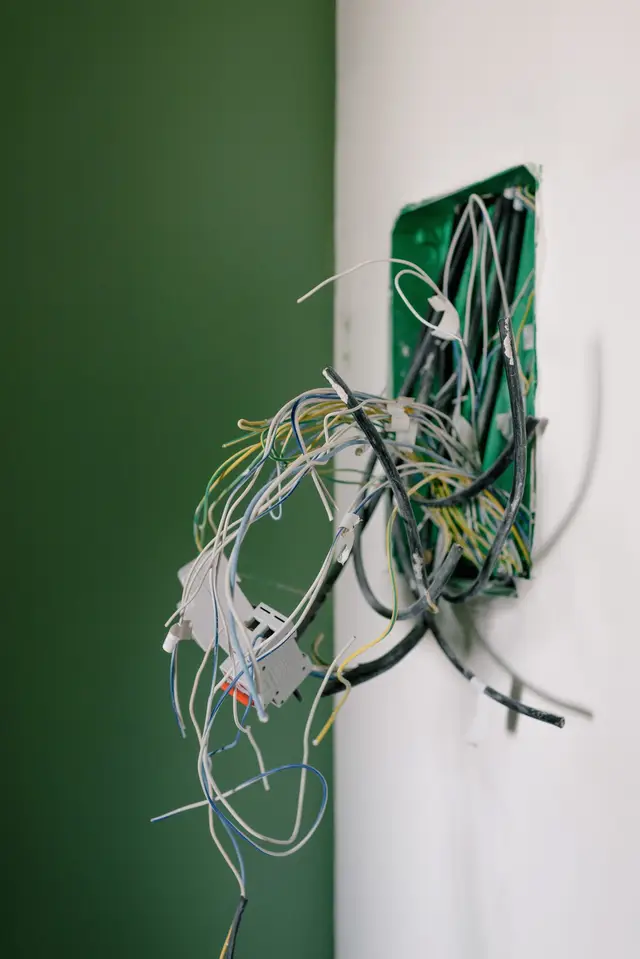
House rewiring in Norfolk and the cities around it replaces the wiring inside your walls when it’s too old, too small or too worn to carry what the house uses today. Many older homes still have wiring that was put in long before modern kitchens, home offices and air conditioning. Some have cloth-covered knob-and-tube wiring or aluminum branch wiring, and both need a closer look.
Signs your wiring needs more than a repair
- Two-prong outlets in most rooms. Ungrounded circuits can’t safely run modern electronics and appliances.
- Outlets and switches that run warm. Heat at a connection means it’s failing.
- Lights that flicker or dim when an appliance starts, in more than one room.
- Repairs that keep coming back. The same circuits fail again, a few months after each fix.
- An insurer or a home inspector has flagged it. Some insurers ask for old wiring to be replaced before they renew a policy.
Older Norfolk houses and their wiring
Norfolk has some of the oldest housing in Hampton Roads, and the wiring in it often tells the story of every owner since. A Ghent four-square or a Colonial Place bungalow might still have knob-and-tube wiring in the attic, cloth-covered cable in the walls, a newer circuit run to the kitchen during a remodel and a few outlets swapped for three-prong ones without a ground behind them. Some houses built later have aluminum branch wiring, which is safe when its connections are made with the right parts and risky when they aren’t. Crawl spaces are common here, and damp ones are hard on old wire and the connections in them.
Repair, partial or whole house
Not every old house needs a full rewire. Some need only the kitchen and the bathrooms brought up to date, or a few failing circuits replaced. We check the wiring room by room, show you what we found in photos and price the options side by side: targeted repairs, a partial rewire or the whole house.
How a rewire goes
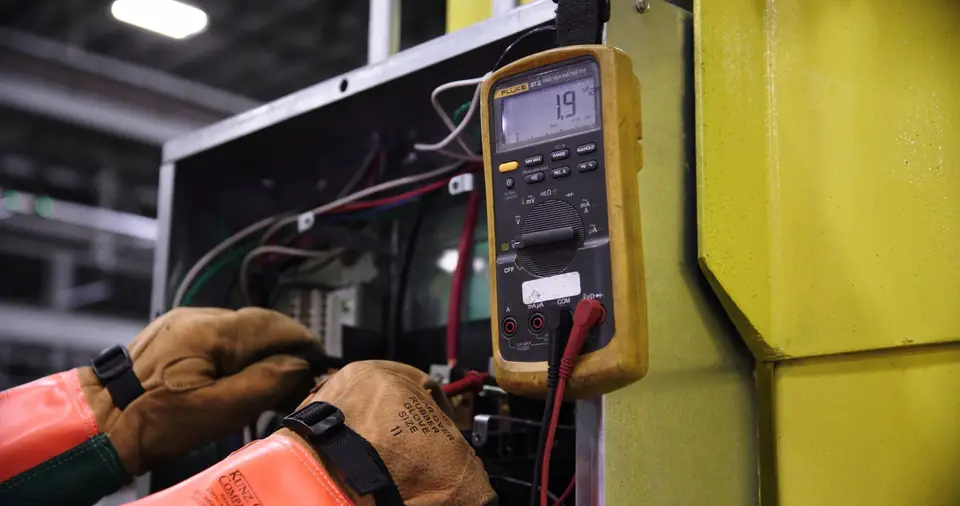
We pull the permit with your city and plan the runs so the wall openings are as few and as small as possible. Floors and furniture are covered, and we work room by room, so most of the house has power each evening. New wire is fished through the walls from the attic and the basement or crawl space, and new boxes, outlets and switches go in. Every circuit is tested, the openings are patched, and the inspection is booked.
Bringing the house up to code
A rewire is the right time to add what older houses lack: grounded outlets, GFCI protection in kitchens, bathrooms and outside, AFCI protection in bedrooms, and smoke and carbon monoxide detectors wired together. If the panel is old too, it’s usually best to replace it in the same job, and if you are planning an EV charger, we leave room for its circuit.
Your written estimate
The estimate lists the rooms, the new circuits, the wall patching, the permit and any panel work on separate lines, with the order of the rooms and the days each one is without power. It’s yours to keep, and it helps when you sell the house or talk to your insurer. We rewire houses across Norfolk, Virginia Beach and Chesapeake.
Rewiring by town
- Rewiring in Norfolk, VAGhent four-squares, Colonial Place bungalows and the brick ranches out past Wards Corner: old panels, two-prong outlets and wiring that was never meant for today's kitchens.
- Rewiring in Virginia Beach, VAFrom Kempsville split-levels to newer homes near the oceanfront: EV chargers in the garage, surge protection and a generator hookup before the next storm season.
- Rewiring in Chesapeake, VAGreat Bridge and Greenbrier subdivisions with room to grow: panel upgrades for a new heat pump, a shop circuit in the garage and lighting for the yard.
Guides
Questions about rewiring
How long does a whole-house rewire take?
Most houses take several days, depending on the size of the house and how easy the walls and the attic are to reach. We work room by room, so most of the house has power each evening.
Do you have to open every wall?
No. We fish new wire through the walls from the attic and the basement or crawl space wherever we can, and open the wall only where we have to. Each opening is patched when the room is done.
Do I have to move out?
Usually not. Each room is without power only while it's being worked on, and the rest of the house stays on. We give you the order of the rooms in writing so you can plan around it.
My insurer wants the knob-and-tube wiring gone. Can you help?
Yes. We check the house, write up which circuits still have the old wiring and price replacing them. When the work is done and inspected, you get the closed permit to send to your insurer.