Getting Ready for Storm Outages in Virginia Beach
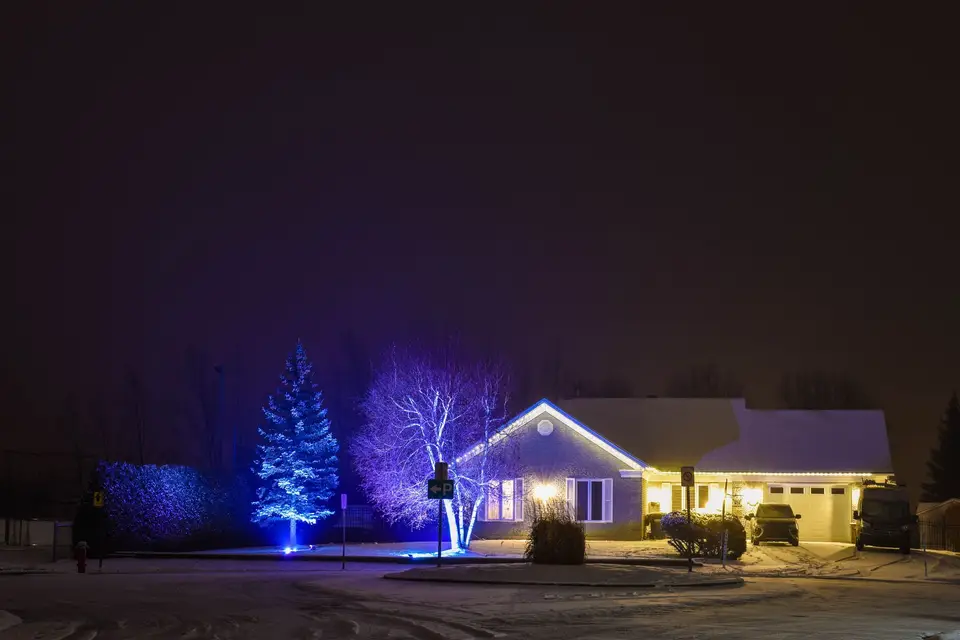
Storm outages in Virginia Beach are a part of life near the coast. Most summers bring thunderstorms strong enough to drop lines, many winters bring a nor’easter, and every few years a tropical storm or a hurricane leaves whole neighborhoods dark for days. You can’t stop the outage, but you can make your house safer during it and easier to bring back after it. This guide covers what helps most, from the cheapest steps to a standby generator.
Know your panel before the storm
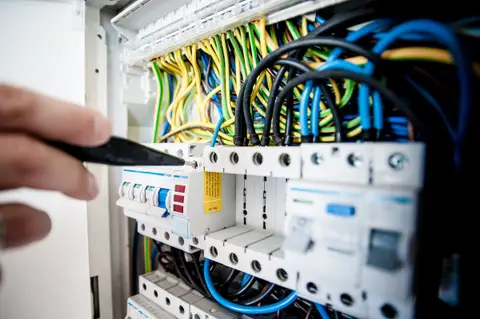
The first step costs nothing. Find your electrical panel, open the door and read the labels. Know which breaker is the main, and which ones run the fridge, the furnace or air handler, the sump pump if you have one and the circuits you would want first when power comes back. If the labels are missing or faded, a flashlight is not the tool you want to sort them out with.
Ask an electrician to label the panel properly on the next visit if it needs it. It’s a small job that pays off the first time you need it in the dark.
Protect against the surge
When the power goes out and comes back, the return is not always smooth. Spikes from the grid coming back on, or from a lightning strike nearby, can damage anything with a circuit board. That includes televisions and computers, but also the boards in furnaces, heat pumps, washers, refrigerators and garage door openers.
A whole-house surge protector fits at the panel and takes the brunt of a spike before it reaches the circuits. It works best paired with plug-in surge protectors at your most valuable electronics. If your panel is being worked on for any other reason, it’s the simplest time to add one.
A safe way to use a portable generator
Many Virginia Beach households keep a portable generator in the garage for storm season. The trouble starts when it’s time to use it. Running extension cords through a window works, but it limits you to a few appliances and leaves windows cracked during a storm. Plugging a generator into a house outlet with a double-ended cord is far worse. It can send power back out through the service line and hurt a line worker, and it can damage the generator when the grid comes back.
The safe answer is an inlet on the outside wall and a transfer switch at the panel. The generator plugs into the inlet, the transfer switch disconnects the house from the grid, and you choose which circuits to run. The generator stays outside, well away from doors and windows, and nothing feeds back into the street lines.
When a standby generator makes sense
A standby generator sits on a pad beside the house, runs on natural gas or propane and starts on its own within seconds of an outage. It costs more than a portable hookup, but it suits some households far better.
- Medical equipment at home that cannot stop, such as oxygen concentrators.
- Owners who travel during storm season, when nobody is home to start a portable generator.
- Houses where comfort matters, because a larger standby unit can run the air conditioning through a hot August outage.
- Low-lying lots where a sump pump has to keep running through heavy rain.
Near the oceanfront and Sandbridge, the generator enclosure and its connections also need to stand up to salt air, which means a yearly check of the enclosure as well as the engine.
Flooding and the electrical system
Heavy rain and storm surge can push water into garages, crawl spaces and lower floors. Water and electricity don’t mix, and the rule is simple. If water has reached outlets, the panel or any wiring, keep away from it and don’t switch anything back on. If you can reach the main breaker without standing in water, turn it off. Anything electrical that has been under water needs to be checked, and usually replaced, before the power goes back on.
When the power comes back
When the lights come back, give the grid a few minutes before you switch everything on at once. Turn on the heating or cooling first, then the rest a few at a time. If a breaker trips straight away, leave it off and call an electrician. If part of the house is still dark when the neighbors have power, the fault is likely in your service or panel, not the grid, and that is a call for us.
Get it done before the season
The best time to fit a transfer switch, a standby generator or a surge protector is in the spring, before the first storm is in the forecast and before every electrician in the area is booked for weeks. Our generator installation page explains the options and how we price them, and our Virginia Beach page covers the rest of the work we do across the city. Book a free estimate and we will help you decide which steps make sense for your house.
Questions about this guide
Is it safe to run a portable generator in the garage with the door open?
No. Generator exhaust carries carbon monoxide, which builds up in a garage even with the door open and can seep into the house. Run it outside, well away from doors, windows and vents, and have working carbon monoxide alarms inside.
Should I unplug things during a storm?
Unplugging computers, televisions and other electronics during a strong storm helps protect them from a nearby lightning strike. A whole-house surge protector at the panel, with plug-in protectors at the most valuable electronics, covers you when you can't unplug.
How long will my power be out after a hurricane?
Nobody can say for sure. After a strong storm, restoring power across the area can take days, and the power company works from the main lines out to individual streets. Plan for a few days and you are rarely caught short.